How it works
PITHIA uses AI to suggest areas of interest on a kidney biopsy, ready for a clinician to review.
AI suggestions
An AI model is trained using biopsy images with examples of structures and tissue changes marked on them. It learns patterns from these examples so that it can find similar features in slides it has not seen before.
When given a new slide, the model suggests outlines and marks areas for review. It also gives an indication of its confidence in those suggestions. This describes how certain the model is about what it has found, helping reviewers identify findings that need closer attention.
Glomeruli
The model locates glomeruli, the kidney’s filtering units, and proposes their boundaries. Changes to these units can be signs of lasting damage. Instead of identifying each boundary by hand, a clinician can check the accuracy of the suggestions.
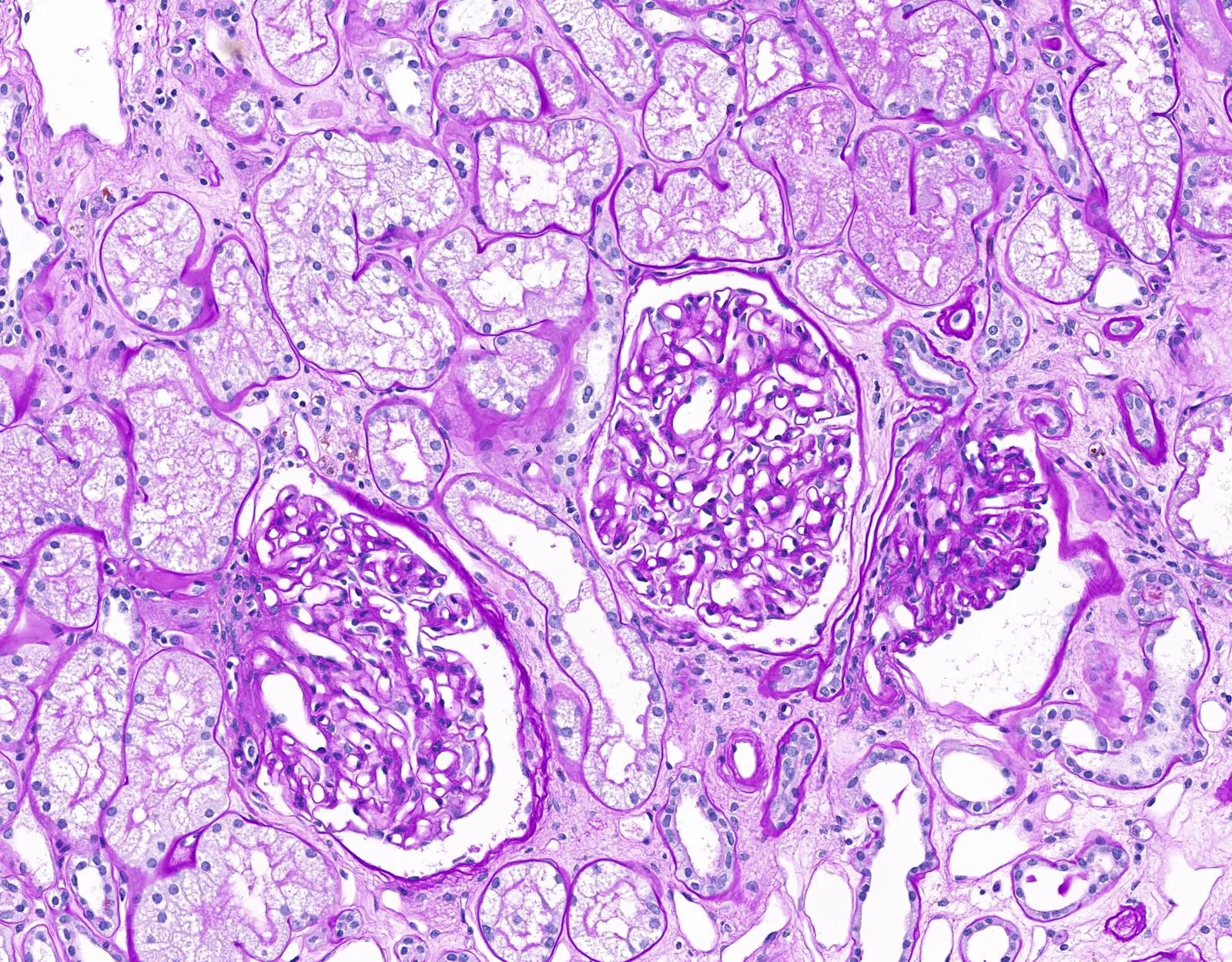
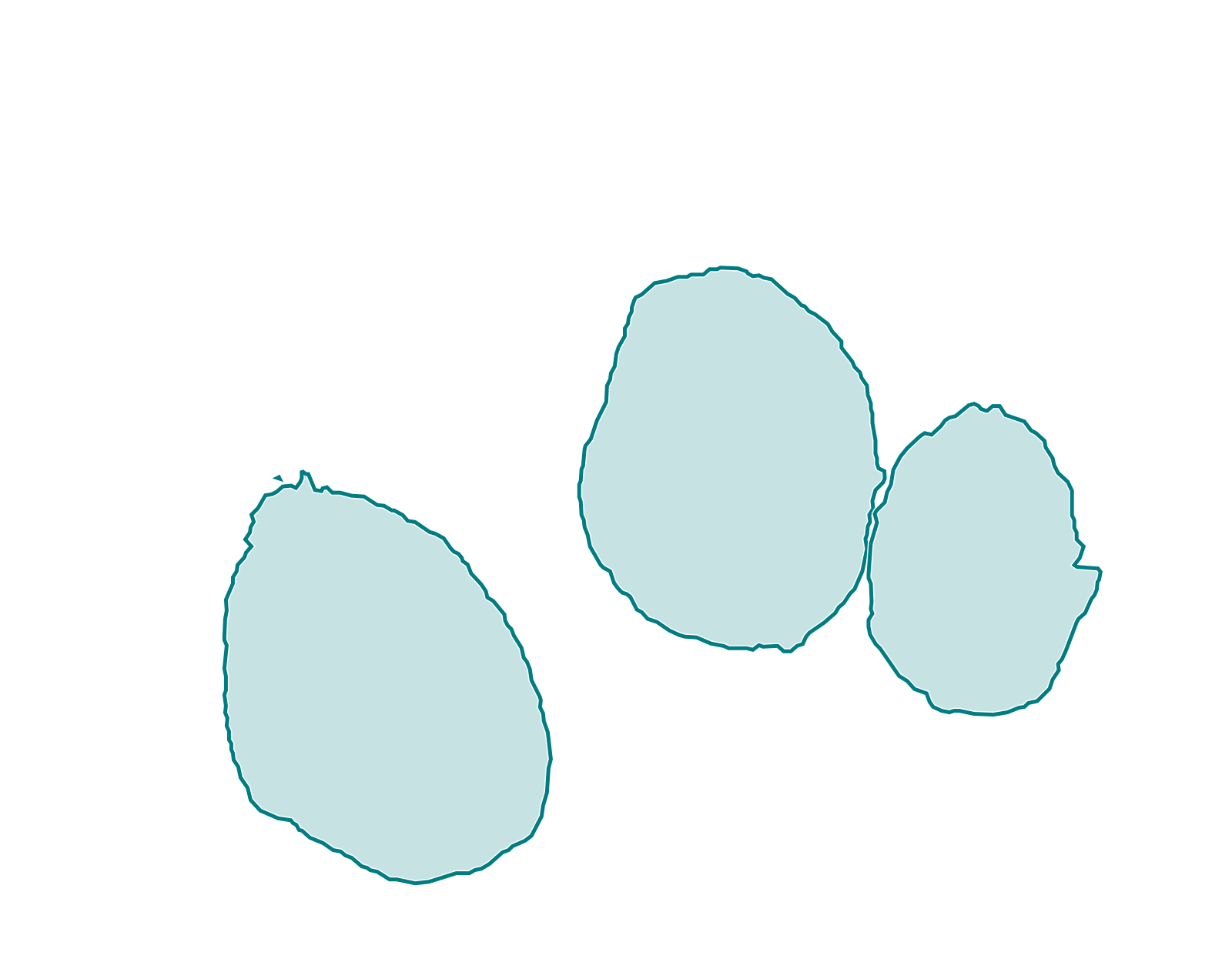
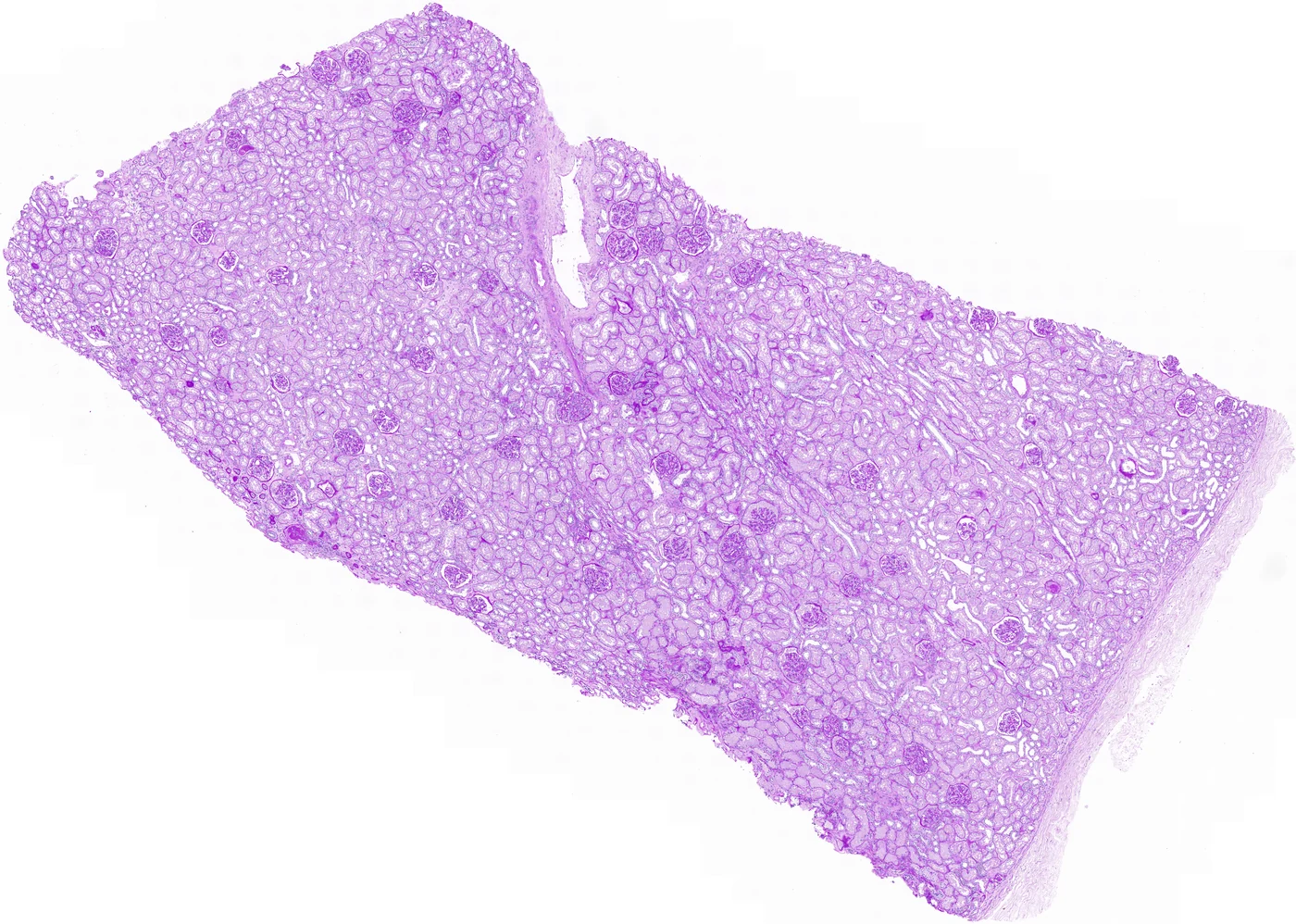
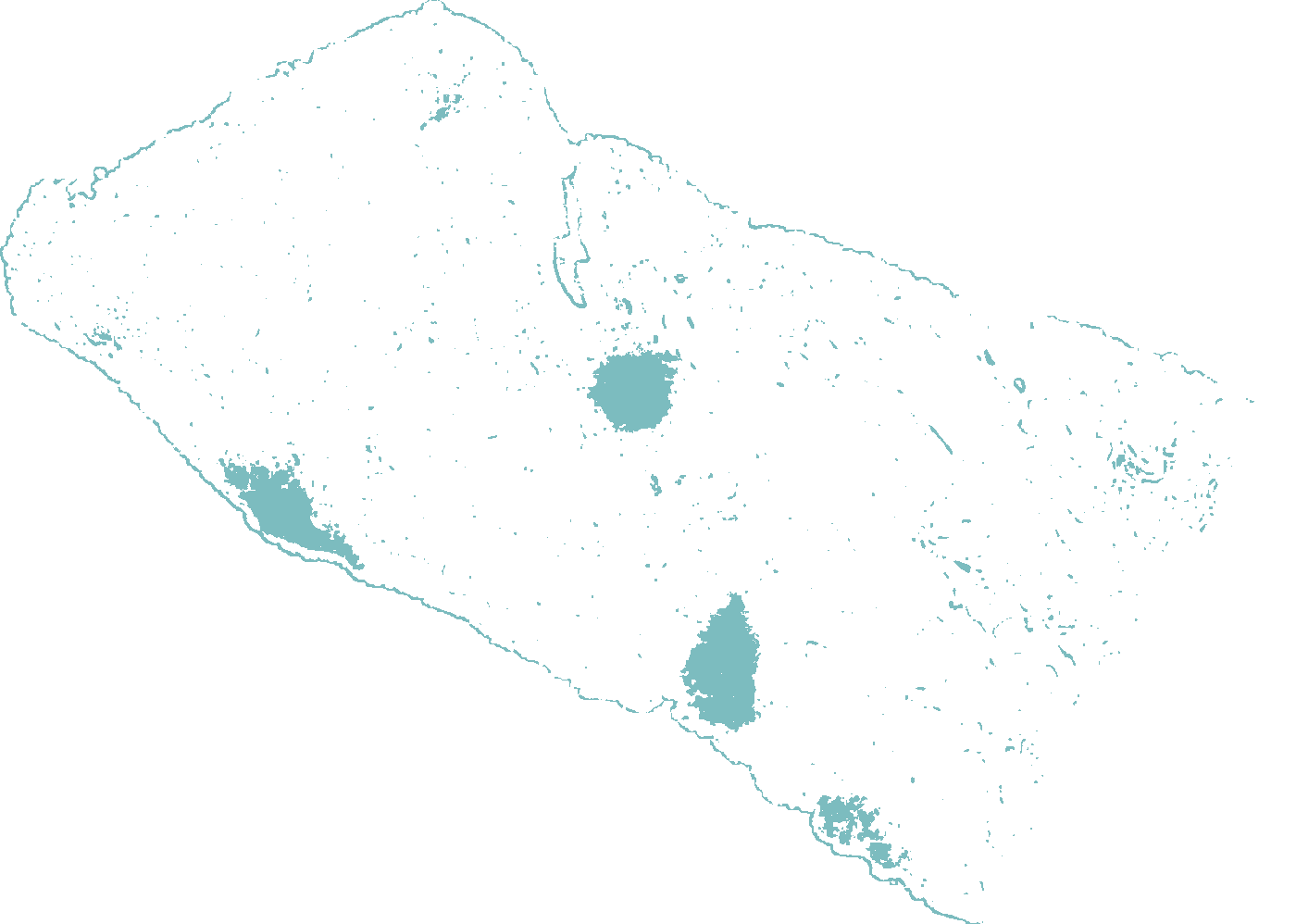
Scarring and tubular atrophy
Interstitial fibrosis and tubular atrophy (IFTA) describes scarring between tubules and the wasting of those tubules. The extent of these changes can help a clinician assess lasting damage in a donor kidney. The model marks possible IFTA regions across the biopsy.
Clinician review
We are developing a workflow that brings the slide and the AI suggestions into the same view. Clinicians can focus their attention on suggestions where the model is less confident. Each clinician checks the tissue, approves suggestions they agree with and corrects or rejects others. They remain responsible for their review decisions.
Recorded corrections can help us train and test later models. Our longer-term goal is to identify most of these features as accurately as, and eventually more accurately than, manual annotation. If this helps make specialist assessment available sooner and more widely, it could help transplant teams make use of more suitable donor kidneys.
We are looking for clinical users to test the suggestions and review process. Interested in helping? Contact us